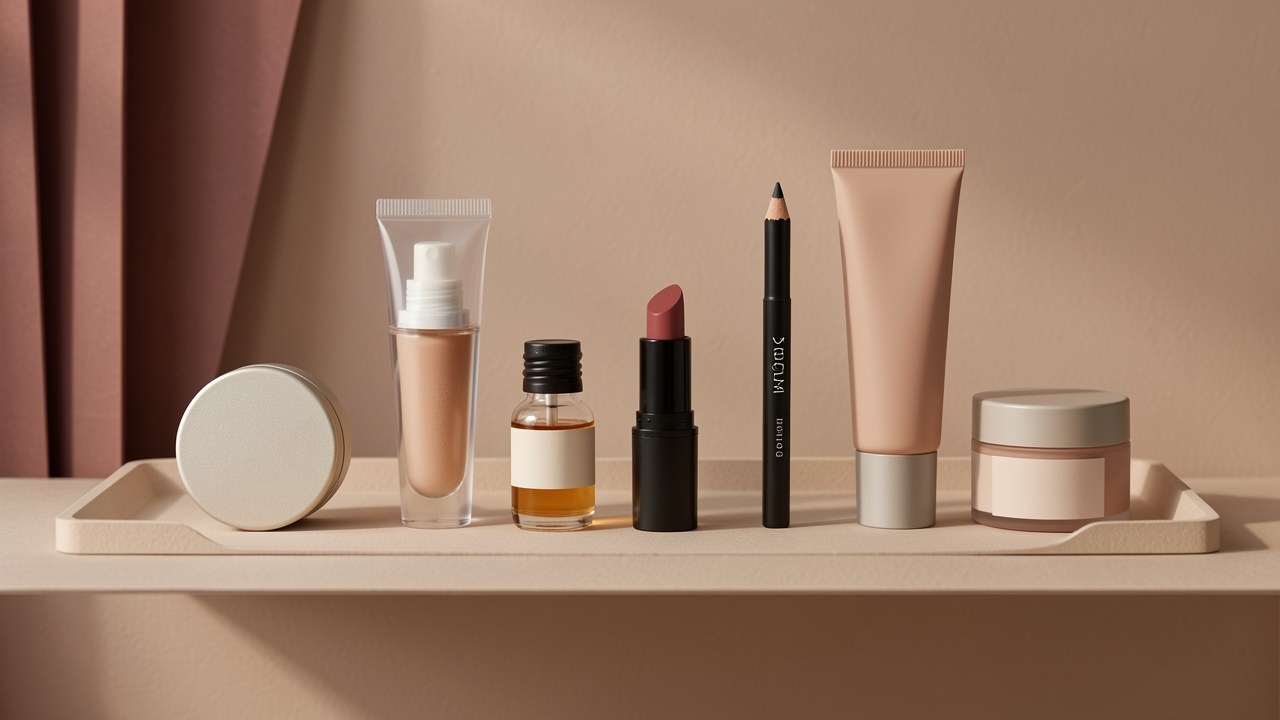
What defines each cosmetic lip product category
Cosmetic lip products are usually grouped by primary job: care, shine, color, definition or long-wear tinting. A lipstick is commonly defined in the cosmetics industry as a color and texture product for the lips, typically made from a combination of wax and oil to balance staying power and comfort. From that base, other categories shift the balance toward moisture, reflectivity, opacity or wear.
That is why two products can look similar in the tube but behave very differently on the lips. A tinted balm and a lipstick may both add color, yet the balm prioritizes moisture and a soft, sheer tint, while lipstick prioritizes measurable color payoff and finish variety. A gloss and a lip oil may both look shiny, but gloss is built primarily around shine and color payoff, while oil sits closer to care with a glossy finish.
The categories below are cosmetic, not medical. They are not treatments for cracked or dry lips, even when they feel soothing. The notes in this guide describe typical category behavior; individual products vary by formula, pigment load and how they are applied.
- Lip balm: care and moisture first, with clear or sheer tint.
- Lip gloss: shine and color payoff, often with a wet, glassy finish.
- Lip oil: a balm-gloss hybrid built on nourishing oils with a glossy, natural finish.
- Lipstick: versatile color and texture, from sheer to opaque.
- Lip liner: definition and a boundary that helps keep color in place.
- Lip tint or lip stain: color that sets into the skin for a natural wash.
- Tinted lip balm: lip balm with a softer, less intense dose of color.
- Lip mask: a leave-on care format, often used overnight.
Sources: Lipstick Queen, Charlotte Tilbury, BUXOM Cosmetics
Lip balm and tinted balm: purpose and typical wear
Lip balm is the care-first category. Balms are usually built on waxes and butters such as shea, beeswax or plant waxes, plus emollient oils. That combination forms a protective layer that slows water loss from the lips, which matters because lips have no oil glands of their own and are often the first place to feel dry. The typical finish is satin to soft shine, and the typical feel is cushiony rather than sticky.
A tinted lip balm keeps that care-first approach but adds a sheer wash of color. The result is softer and less intense than lipstick, which makes tinted balm a common pick for a natural no-makeup makeup look or for days when full pigment would feel like too much. Color level is clear or sheer, and reapplication is usually part of the routine rather than a failure of the product.
- Best for dry, chapped or bare lips and for nightly care.
- Finish is satin to soft shine, not high gloss.
- Feel is cushiony and non-sticky.
- Color is clear or a sheer tint, not opaque.
- Common base: waxes and butters plus emollient oils.
Sources: Charlotte Tilbury, BUXOM Cosmetics
Lip gloss and lip oil: finish, comfort and trade-offs
Lip gloss is typically defined as a product that provides a shiny, reflective look and is often used for a subtle natural shine of color. Its main job is reflective shine and color payoff rather than care or opacity. Glosses often include emollients such as castor oil or jojoba oil, waxes such as beeswax or candelilla wax, film-forming agents such as polybutene or dimethicone, and humectants such as glycerin or hyaluronic acid. Polybutene, for example, is a hydrocarbon polymer used in gloss formulations as a film-forming ingredient that provides shine and adhesion.
The trade-off with gloss is texture. Gloss can feel tacky or sticky, and it is generally the least long-wearing of the everyday categories. A supplier technical article describes polybutene-based glosses as forming a durable, flexible film that helps resist smudging, feathering and fading compared with traditional glosses built mainly on oils and lighter emollients. That is a formulation claim from a supplier that sells the ingredient, not independent product testing, so treat it as a description of how one ingredient family is designed to behave rather than a promise about any specific gloss.
Lip oil is often described as combining the hydrating properties of a lip balm with a glossy finish, usually built on nourishing oils such as jojoba or castor oil. Compared with gloss, oil tends to feel slippy and light with minimal tack, and the finish reads as glossy but more natural than a high-shine gloss. Color level is typically a sheer, buildable tint. If you want shine without the sticky feel, oil is usually the closer match; if you want maximum wet-look shine and color, gloss is the closer match.
| Product | Primary purpose | Typical finish | Typical feel | Color level | Common base ingredients | Best for |
|---|---|---|---|---|---|---|
| Lip balm | Care and moisture; forms a protective layer that slows water loss from the lips | Satin to soft shine | Cushiony, non-sticky | Clear or sheer tint | Waxes and butters such as shea, beeswax or plant waxes, plus emollient oils | Dry, chapped or bare lips; nightly care |
| Lip gloss | Shine and color payoff; gives a shiny, reflective look | High, wet, glassy shine | Can be tacky or sticky | Sheer to full pigment, often with shimmer | Emollients such as castor oil or jojoba oil, waxes such as beeswax or candelilla wax, and film formers such as polybutene or dimethicone | Statement shine and color payoff |
| Lip oil | Combines the hydrating properties of a lip balm with a glossy finish | Glossy shine, more natural than gloss | Slippy and light, minimal tack | Sheer, buildable tint | Nourishing oils such as jojoba, castor or fruit oils | Everyday care plus a polished, glossy look |
Sources: Charlotte Tilbury, BUXOM Cosmetics, Facebook group post
Lipstick formats: cream, matte, satin and sheer
Lipstick is described as the most customizable category of lip color, with finishes such as matte, shiny, shimmery, frosted and metallic. That variety is the point: lipstick is the category that lets you dial in how much color, shine and definition you want from the same basic idea. The underlying structure is typically a combination of wax and oil, which is how formulators balance staying power against comfort.
Finish changes the experience more than the label suggests. Creamy and satin stick formulas tend to feel more moisturizing and forgiving on dry lips, while liquid lipsticks can feel drier. Matte finishes usually deliver the most opaque, flat color, while sheer and shiny finishes let more of your natural lip tone show through. Color level for lipstick runs medium to full, and it generally beats stain for instant, opaque color.
The practical takeaway is that you do not have to choose one format forever. Many people keep a satin or cream stick for daily wear and a matte or bold shade for meetings, photos or evenings. Lipstick is also the most forgiving category to reapply, because a fresh layer sits on top of the previous one rather than needing to be removed.
- Cream and satin: more moisturizing feel, softer edge, comfortable on dry lips.
- Matte: flat, opaque color with the strongest visual impact, but less forgiving on dry lips.
- Sheer and shiny: lets natural lip tone show through, easier to apply without a mirror.
- Shimmery, frosted and metallic: adds reflective dimension for evening or editorial looks.
- Common base: wax and oil to balance staying power and comfort.
Sources: Lipstick Queen
Lip liner: role in shape, definition and wear
Lip liner is commonly described as a product that defines the lips and helps prevent color from feathering. In practice it does two jobs at once: it draws a boundary and it creates a base that other products can sit on. That boundary matters most with creamy, glossy or highly pigmented products, because they are the ones most likely to travel outside the lip line.
Its main contribution to wear is that boundary. By limiting feathering and migration, liner helps color stay inside the lip line rather than spreading. Liner can also be filled across the whole lip before lipstick to leave pigment behind as the top layer wears off, which is a commonly described base-layer technique. Beyond those effects, liner is not a long-wear technology in the way a stain or film-forming formula is, and it is not usually described as extending wear through eating and drinking on its own. How much it helps depends on the formula, the shade match and how it is applied.
Liner is optional rather than mandatory. If your lipstick already holds a clean edge for the wear time you want, liner is not required. If you like a defined shape, if you wear a lot of gloss or bold color, or if you want a soft stain to stay inside the lip line, liner is the category that does that work. Because liner is applied first, choose a shade close to your natural lip tone for an invisible boundary or a shade close to your lipstick for a blended edge.
- Defines the shape of the lips and helps prevent feathering.
- Acts as a boundary that helps color stay where you put it.
- Can be filled across the whole lip as a base layer before lipstick.
- The wear benefit comes from limiting feathering and migration, not from long-wear technology.
- Useful under gloss, bold lipstick and soft stains.
- Optional if your chosen product already holds a clean edge.
Sources: BUXOM Cosmetics, Ali Andreea on YouTube
Lip tint and lip stain: how they differ from lipstick
A lip stain is typically defined as a tint that sets into the skin for a natural-looking wash of color, and it is often used for all-day color with fewer touch-ups. That is the key mechanical difference from lipstick: lipstick sits on the surface as a layer of color and texture, while stain works more like a dye that colors the top layer of skin. The finish is generally matte, though some varieties may have a glossy finish with a slight sheen immediately after application.
In category terms, a lip stain is usually more tinted than a lip balm but less pigmented than a lipstick, and the color is often described as sheer to buildable. The feel is lightweight, but stains can feel dry if the lips are not prepped, especially matte versions. That dryness is a comfort trade-off, not a sign the product is working incorrectly.
A lip tint sits in the same family but usually leans softer and more comfortable than a full stain. Both can be layered under balm or gloss if you want more comfort or shine, which is a common way to get the long-wear benefit of a tint without the dry feel. Stains are often chosen for long workdays, special events, hot-weather activities, and travel or on-the-go use.
Formulation matters here. Long-lasting lip stain formulas commonly include film-forming agents such as acrylates/dimethicone copolymer to make color transfer-proof and smudge-proof, along with binders such as hydrogenated polyisobutene, isododecane and ethylene/propylene/styrene copolymer. Some long-wear formulas may also include moisturizing ingredients such as squalane, sweet almond oil and hyaluronic acid. Staining pigments commonly include Red 27, Red 21, Red 33, Red 70 and carmine, and titanium dioxide is often added to adjust shade and coverage. These are industry formulation examples, not a permitted-colorant list for any particular market.
- Stain sets into the skin; lipstick sits on top as a layer.
- Typical finish is matte, though some stains show a slight sheen at first.
- Color is sheer to buildable, more tinted than balm but less pigmented than lipstick.
- Feel is lightweight and can be drying without lip prep.
- Can be layered under balm or gloss for extra comfort or shine.
- Staining pigments and film formers vary by formula and by brand.
Sources: Lipstick Queen, Tatcha, BUXOM Cosmetics
Lip mask and overnight treatment products
A lip mask is a leave-on care format, usually applied as a thicker layer and left on the lips for an extended period, often overnight. The idea is to give the lips a longer uninterrupted stretch of moisture and occlusion than a balm applied during the day, when eating, drinking and talking interrupt the product. Some sources mention that lip masks may provide overnight hydration, but independent evidence is lacking. A lip mask can also be used to prep lips before liner and lipstick for a smoother application surface.
Lip masks and lip balms are both formulated to hydrate lips, but lip masks are generally thicker and more intensive than balms. Lip masks are cosmetic products rather than medical treatments. They are not intended to diagnose or repair cracked lips, and they should not be used as a substitute for medical care. If your lips are persistently cracked, bleeding or painful, that is a reason to seek medical advice rather than to keep layering cosmetic products.
- Leave-on format, often used overnight.
- Applied as a thicker layer than a daytime balm.
- Designed for a longer uninterrupted stretch of moisture and occlusion.
- Can be used to prep lips before liner and lipstick.
- Generally thicker and more intensive than a lip balm.
- Cosmetic care product, not a medical treatment.
Sources: Charlotte Tilbury, Tatcha
Comparison criteria: finish, opacity, comfort, wear and reapplication
When you compare lip product types, five criteria do most of the work. Finish is how the product reflects light, from matte to soft shine to wet, glassy gloss. Opacity is how much of your natural lip tone is covered, from clear to sheer to full pigment. Comfort is how the product feels on the lips, whether cushiony, slippy, tacky or dry. Wear is how long the product stays put through talking, eating and drinking. Reapplication is how easy the product is to refresh once it starts to fade.
Those criteria trade off against each other. High shine usually means shorter wear and more reapplication. Long wear usually means a drier feel and more prep. Full opacity usually means more definition and less tolerance for imprecise edges. Care-first products usually deliver the most comfort but the least color. There is no category that wins on every axis, which is why layering and switching products through the day is normal rather than a compromise.
A simple way to choose is to decide which single criterion matters most to you today. If it is comfort, start with balm or oil. If it is shine, start with gloss or oil. If it is color, start with lipstick. If it is definition, add liner. If it is long wear with low maintenance, start with stain or tint and layer balm on top if you need more comfort. The comparison below summarizes the categories by shared, supported attributes.
| Product | Primary purpose | Typical finish | Typical feel | Color level | Common base ingredients | Best for |
|---|---|---|---|---|---|---|
| Lip balm | Care and moisture; forms a protective layer that slows water loss from the lips | Satin to soft shine | Cushiony, non-sticky | Clear or sheer tint | Waxes and butters such as shea, beeswax or plant waxes, plus emollient oils | Dry, chapped or bare lips; nightly care |
| Tinted lip balm | Moisturizes the lips while adding a shine of tint | Softer, less intense color; satin to soft shine | Cushiony, non-sticky | Clear or sheer tint | Waxes and butters such as shea, beeswax or plant waxes, plus emollient oils | A natural no-makeup makeup look; dry, chapped or bare lips; nightly care |
| Lip gloss | Shine and color payoff; gives a shiny, reflective look | High, wet, glassy shine | Can be tacky or sticky | Sheer to full pigment, often with shimmer | Emollients such as castor oil or jojoba oil, waxes such as beeswax or candelilla wax, and film formers such as polybutene or dimethicone | Statement shine and color payoff |
| Lip oil | Combines the hydrating properties of a lip balm with a glossy finish | Glossy shine, more natural than gloss | Slippy and light, minimal tack | Sheer, buildable tint | Nourishing oils such as jojoba, castor or fruit oils | Everyday care plus a polished, glossy look |
| Lipstick | Applies color and texture to the lips | Versatile: matte, shiny, shimmery, frosted, metallic and other finishes | Stick formulas, especially creamy and satin finishes, tend to feel more moisturizing and forgiving on dry lips; liquid lipsticks can feel drier | Medium to full; usually wins for instant, opaque color compared with stain | Combination of wax and oil for staying power and comfort | Meetings or photos when more defined color is wanted; also the most customizable category for boldness, finish and wear |
| Lip liner | Defines the lip edge and helps prevent lip color from feathering or migrating; can also be used across the whole lip as a color base | Matte to satin | Creamy to waxy; firmer defining liners may feel drier than creamy filling liners | Medium to full; often matched to lipstick or chosen slightly deeper than natural lip color | Waxes such as carnauba, candelilla, beeswax or ceresin, plus oils, esters and pigments; some long-wear versions include silicones and film formers | Defining shape, preventing feathering, correcting asymmetry, and extending lip color wear when used as a base layer |
| Lip stain | Sets into the skin for a natural-looking wash of color; often used for all-day color with minimal touch-ups | Generally matte, though some varieties may have a glossy finish with a slight sheen immediately after application | Lightweight; can feel dry if lips are not prepped, especially with matte lip stains | More tinted than a lip balm but less pigmented than a lipstick; sheer to buildable | Staining pigments such as Red 27, Red 21, Red 33, Red 70 and carmine; film-forming agents such as acrylates/dimethicone copolymer; binders such as hydrogenated polyisobutene and isododecane | Long workdays, special events, hot weather activities, and travel or on-the-go use |
Sources: Lipstick Queen, Charlotte Tilbury, Tatcha, BUXOM Cosmetics, Facebook group post
Frequently asked questions
Is lip oil the same as lip gloss?
No. Lip gloss is designed primarily for shine and color payoff, and it can feel tacky or sticky. Lip oil combines the hydrating properties of a lip balm with a glossy finish, feels slippy and light with minimal tack, and delivers a more natural shine with a sheer, buildable tint. Some glosses use film-forming ingredients such as polybutene or dimethicone to improve adhesion, while oils are usually built on nourishing oils such as jojoba or castor oil.
Sources: Charlotte Tilbury, BUXOM Cosmetics, Facebook group postDo I need lip liner if I wear lipstick?
Not necessarily. Lip liner is commonly described as a product that defines the lips and helps prevent color from feathering, which is most useful with creamy, glossy or highly pigmented formulas that are more likely to travel. If your lipstick already holds a clean edge for as long as you want it to, liner is optional. If you want a more defined shape or you are wearing a shade that tends to bleed, liner is the category that handles that.
Sources: BUXOM Cosmetics, Ali Andreea on YouTubeWhich product type is best for dry lips?
Lip balm is the care-first category. It is usually built on waxes and butters such as shea, beeswax or plant waxes plus emollient oils, and it forms a protective layer that slows water loss from the lips. Tinted balm adds a sheer wash of color while keeping the same care-first approach, and lip oil is a reasonable option if you want care plus a glossy finish. Matte stains and liquid lipsticks can feel drying, especially if the lips are not prepped first.
Sources: Lipstick Queen, Charlotte Tilbury, BUXOM CosmeticsWhich lip product lasts longest through eating and drinking?
Lip stain is generally described as the longest-wearing everyday category. Stains set into the skin for a natural-looking wash of color and are often used for all-day color with fewer touch-ups, and long-lasting stain formulas commonly include film-forming agents such as acrylates/dimethicone copolymer to make color transfer-proof and smudge-proof. Wear still depends on the specific formula and on how you prep and layer it. Lip gloss is generally the shortest-wearing category, with lipstick in between.
Sources: Lipstick Queen, Tatcha, BUXOM CosmeticsWhat is the difference between a lip tint and a lip stain?
They sit in the same family. A lip stain is typically defined as a tint that sets into the skin for a natural-looking wash of color, and it is usually more tinted than a lip balm but less pigmented than a lipstick. In everyday use, a lip tint tends to feel softer and more comfortable, while a stain emphasizes longer wear and a more matte finish. Both can be layered under balm or gloss if you want more comfort or shine.
Sources: Lipstick Queen, BUXOM CosmeticsCan I use lip balm or gloss over a lip stain?
Yes. A lip stain can be layered under balm or gloss if more comfort or shine is desired. This is a common way to get long-wear color without the dry feel that matte stains can have on unprepared lips. The balm or gloss will change the finish and may reduce wear slightly, so decide which matters more to you at that moment.
Sources: Lipstick Queen, BUXOM CosmeticsAre lip masks a medical treatment for cracked lips?
No. A lip mask is a cosmetic leave-on care format, usually applied as a thicker layer and often left on overnight. It is designed to hydrate and soften the lips, but it is not a medical treatment and it is not intended to repair a persistent lip condition. If your lips are persistently cracked, bleeding or painful, that is a reason to seek medical advice rather than to keep layering cosmetic products.
Sources: Charlotte Tilbury, TatchaWhich lip product gives the most color?
Lipstick generally provides the most instant, opaque color. It is described as the most customizable category of lip color, with finishes such as matte, shiny, shimmery, frosted and metallic, and its color level runs medium to full. Lip stain is usually more tinted than a balm but less pigmented than a lipstick, and lip gloss can range from sheer to full pigment, often with shimmer.
Sources: Lipstick Queen, BUXOM CosmeticsSources
- What is Lip Liner? The Essential Lip Makeup Tool — Lipstick Queen
- What Is A Lip Mask + What Does A Lip Mask Do? — Charlotte Tilbury
- Lip Masks vs. Balms: What's the Difference? | Tatcha — Tatcha
- Defining vs Filling Lip Liner: Texture, Wear, and Application Guide — BUXOM Cosmetics
- What is the purpose of a lip liner? — Facebook group post
- Everything you need to know about lip liners ! | ALI ANDREEA — Ali Andreea on YouTube